Peter (00:00.683)
feeling in the planet in the middle of an interview. like, oh, yeah. Remember all that great stuff we said, try and recreate that. Um, let's see if you're a clip.
Chris Hogg (00:12.812)
Mm-hmm. Closet sounding or audio peaking good. I'll try not to speak louder than this volume. Yeah.
Peter (00:14.763)
That's better, yeah Yeah, no problem. It's usually on the laughs or something like that. It'll it'll peak a little bit, but I think that's fine I'm just gonna make sure I got echo cancellation because these mics are close enough that they kind of pick We're so used to doing this remotely. Yes, that's for you Okay, so maybe I'll kick it off we'll just go and if there's anything you want to change or whatever just leave
Chris Hogg (00:28.942)
I have this. Yes. Thank you.
Chris Hogg (00:41.538)
Okay, When do you plan to publish? Okay, cool. Okay. Yeah. Okay.
Peter (00:43.114)
pause so I can edit it out and I'll send you a copy of this before you we go live. We're trying to figure out what we're gonna do we think we're gonna release two a week after adventures so I'll give you a date too yeah we'll try and do them relatively quickly so not everyone forgets about it right okay okay I'll do my best to do a little intro and then we'll get going okay
Chris Hogg (01:08.782)
Okay. Thank you. Thanks for having me. Yeah, no problem.
Peter (01:11.466)
Welcome to Artificial Breakdown. We're live at Adventures and Kiri unfortunately isn't here today. She's speaking at Upper Bound. So this is probably going to be one of the best podcasts we ever do. And there's a couple more today and then she'll be back and we'll be back in the regular rhythm. But it's my pleasure today to have Chris Hogg, founder and CEO at Digital Journal here with me today. Welcome. Thank you. Thanks for having me. Yeah, no problem. And you've already spoke once and you're speaking again tomorrow. So busy.
All things in ventures this week. cool So you have a everyone out here kind of grabbing media and taking pictures and all that kind of thing interesting and do you get a chance to see like any of the sessions or are you just heads down pretty much?
Chris Hogg (01:41.437)
We've got a team covering the team of journalists covering all things and ventures this week.
Chris Hogg (01:51.084)
Yep. Yeah. For us this week's a lot of heads down. We've got an interview booth, not unlike this one. And our role is to help storytell and amplify some of the messages and key insights coming out of this event. Yeah.
Peter (02:00.822)
Not like this one, right? Our role is to help storytell and amplify some of the messages and key insights coming out of this event. cool. that's that's nice and the digital journal so you have a background in journalism And now you've kind of pivoted to kind of your own you're the founder of this so I am curious of that little transition point when you were
Chris Hogg (02:22.158)
curious of that little transition.
Peter (02:26.26)
doing good old journalism back in the day, did you start to see that there's a different path? What was it technology that was starting to creep into your life? Where, where did this kind of transition start?
Chris Hogg (02:27.918)
they start to see that.
Chris Hogg (02:37.153)
Digital Journal has been around for a very long time and I'm actually not a founder. I'm a very early employee who's become a leader. Just to make sure that that's correct. The Digital Journal is, we've been around for 25 years. I started as a freelance journalist while I was still in school, a long time ago, 23 years ago. The company was very early. Fledgling started a publication and we covered technology for 20 years and
Peter (02:41.801)
I'm very early employee who's become a leader. Just to make sure that that's correct. The digital journal is, we've been around for 25 years. I started as a freelance journalist while I was still in school a long time ago, 23 years ago. The company was very early, fledgling, started a publication and we've covered technology for 20 years. And the moment in time, we've always been looking for ways to
Chris Hogg (03:05.366)
The moment in time, we've always been looking for ways to automate. We're a small company, a dozen people covering multiple markets across Canada, US and overseas. And so for us, AI was just another technology at first. And then when we realized how much it can do to simplify speed up, and it really changes the playing field for a small company competing.
Peter (03:09.373)
Automate, we're a small company, a dozen people covering multiple markets across Canada, US and overseas. And so for us, AI was just another technology at first. And then when we realized how much it can do to simplify, speed up, and it really changes the playing field for a small company competing on a large scale from a media perspective. We've got a fairly large audience that follows. so
Chris Hogg (03:31.338)
on a large scale from a media perspective. We've got a fairly large audience that follows and so AI enables us to do things that we couldn't do in the old school journalistic way. So probably the wake up call that most people have with AI, just for us, it was applied to the world of journalism.
Peter (03:36.968)
AI enables us to do things that we couldn't do in the old school journalistic way. So probably the wake up call that most people have with AI just for us it was applied to the world of journalism. interesting. And just before we dive into AI, like 20 years, so digital journal, is it always called digital journal? Yeah, always called that. So 20 years I was around doing our stuff back then too. So that's the era of CDs and internet's just kind of getting up with dial-ups and stuff like that. So it must have looked
Chris Hogg (03:51.054)
20 years.
Chris Hogg (03:55.042)
Yep, always called that.
So.
Chris Hogg (04:02.848)
internet's kind of with dial-ups and stuff like that.
Peter (04:06.632)
very very different back then. I can still remember bringing up stories like Facebook starting up. Oh right. And the being the thing so yeah it's a big throwback. We've always covered technology in the early 2000s it was about consumer tech most people didn't really think about technology as part of their lives it was the iPod in their pocket.
Chris Hogg (04:07.84)
I can still remember breaking news on stories like companies like Facebook starting up, Napster being a thing. So yeah, it's a big throwback. We've always covered technology. In the early 2000s, it was about consumer tech. Most people didn't really think about technology as part of their lives. It was the iPod in their pocket or a computer or a social media network, whereas today technology is so everywhere.
Peter (04:27.452)
Right. or social media network, whereas today technology is everywhere. Yeah. So we've scaled from consumer tech. One thing we have changed is we have a B2B focus largely now. So covering how technology impacts business, innovation, digital transformation, really helping organizations and leaders figure out what's happening. And when we get to sit down and talk with people who've done things, tried things, screwed them up or done well, stories help others.
Chris Hogg (04:32.318)
So we've scaled from consumer tech. One thing we have changed is we have a B2B focus largely now. So covering how technology impacts business, innovation, digital transformation, really helping organizations and leaders figure out what's happening. you know, when we get to sit down and talk with people who've done things, tried things, screwed them up or done well, those stories help others. So it's always been about that, but it's a lot more focused now on B2B tech.
Peter (04:55.952)
So it's always been about that, but it's a lot more focused now on B2B tech. Yeah. Isn't that interesting? And still kind of dragging my heels back in the day, but when the phones came out and people start taking videos and cameras, and now they've got a publishing platform with social, that must've changed journalism right at that moment as well. It just, as far as like you've got now the whole world's publishing content all over the place with random levels of quality.
Chris Hogg (05:21.326)
See you.
Peter (05:25.841)
Like there must be, it must be hard to kind of maintain integrity as in the journalism side because you're trying to deal with all that that's going on at the same time, right? Yeah. And it's actually the thing that made digital journal go from, you know, a small audience to a large audience was the advent of what was then called citizen journalism. We were one of the two companies in Canada who
Chris Hogg (05:36.802)
Yeah, and it's actually the thing that made Digital Journal go from a small audience to a large audience was the advent of what was then called Citizen Journalism. We were one of two companies in Canada who decided to open our platform. The rise of social media was changing how people consumed content, and we were a small team with no budget. So we decided that one of the co-founders of Digital Journal is a developer.
Peter (05:51.249)
Decided to open our platform the rise of social media was changing how people consume and we're a small team with no budget so we decided that we one of the co-founders of the journals developer and so he and I are a platform that would allow people to contribute back then was a very Unusual thing so yeah Citizen journalism what put digital journal on the map because we had contributors all over the world sharing stories and allowing us to reach a scale
Chris Hogg (06:04.172)
And so he and I architected a platform that would allow people to contribute news. Back then was a very unusual thing. So citizen journalism is what put digital journal on the map because we had contributors all over the world sharing stories and allowing us to reach a scale that we couldn't have with a small team on our own Toronto based. And it allowed us to expand in every market.
Peter (06:20.133)
that we couldn't have with a small team on our own. Toronto based and it allowed us to expand in every market. So smart. Yeah, that's amazing. So let's go into AI. you, how did that, it's recent, but it started to trickle in, I'm assuming. So, you know, I've got a note here about how are you treating it? Is it a partner? Is it an assistant? Is it a threat? Like how does AI work with journalism? Yes.
Chris Hogg (06:27.886)
Come on. Let's do that.
Chris Hogg (06:45.94)
Yes, is the answer. For us, and I don't know that we, I don't think that we are representative of how a lot of journalists think about AI. I would probably be pretty unpopular in some traditional journalistic circles. And I've also met many journalists who are using it. So for us, it's a companion. ChatGPT, think whatever it was two and a half, three years ago when it launched, was the starting point where we started dabbling.
Peter (06:48.294)
Is the answer. For us, and I don't know that we, I don't think that we are representative of how lot of journalists think about AI. I would probably be pretty unpopular in some traditional journalistic circles. And I've also met many journalists who are using it. So us, it's a companion. ChatGPT, think, whatever it was, two and half, three years ago when it launched, was the starting point where we started dabbling. Mostly for process and...
Chris Hogg (07:14.86)
Mostly for process and as a companion, we fiddled around with it like everyone else and didn't really see the full business impact until we started to, until the large language model started to get better, until we started actually using it every day. That was a big learning curve is you can't just use it off the side of your desk. Process really starts to change. So.
Peter (07:16.966)
As a companion, we, you know, filled around with it like everyone else and didn't really see full business impact until we started to until the large language model started to get better until we started actually using it every day. That was a big learning curve. You can't just use it off the side of your desk. Right. The process really starts to change. So for us, and then also we were like everyone in the world of content creation, you have this existential crisis on am I going to exist tomorrow?
Chris Hogg (07:36.888)
For us, and then also we were like everyone in the world of content creation, you have this existential crisis on, I going to exist tomorrow with this thing? And so part of it was just like, we have to learn how to use it. How does it work? What is it good at? What is it not good at? And then how can we augment our journalistic storytelling using it to be more effective, deeper stories, wider scale? It's at the end of the day, just a technology.
Peter (07:46.296)
with this thing. And so part of it was just like, have to learn how to use it. How does it work? What is it good at? What is it not good at? And then how can we augment our journalistic storytelling using it to be more effective, deeper stories, wider scale? It's again, at the end of the day, just the technology. But for us, it was looking at ways on how are we going to compete or collaborate with this? And we chose the collaboration route.
Chris Hogg (08:06.242)
But for us, it was looking at ways on how are we going to compete or collaborate with this. And we chose the collaboration route.
Peter (08:14.414)
Right. interesting. and I imagine there's ChatGPT and then kind of similar, there was kind of stuff like Perplexity that actually had Source on it. imagine that kind of research tool maybe makes more sense in some ways because there's this big vagueness around where does ChatGPT get its information from and, you know, there's lots of bias and there's a lot of talk of bias in these tools. And you all would probably know better than anybody what
Chris Hogg (08:16.664)
And I'm
Chris Hogg (08:21.774)
Yeah.
Peter (08:41.829)
journalism bias means, right? So does that do you feel that when you're going through these things? Totally. Yeah. Yeah. It's an absolute. I think some of the things that journalists carry, the ones that practice real journalism, I would say is like you're naturally skeptical of everything. I find it's a trait in most journalists. And so AI is another source, whether you're talking to a person who has an agenda.
Chris Hogg (08:45.55)
Totally. It's a nightmare. It's an absolute. I think some of the things that journalists carry, the ones that would practice real journalism, I would say, is like you're naturally skeptical of everything. I find that's a trait in most journalists. so AI is another source, whether you're talking to a person who has an agenda or a machine that might have been trained incorrectly or not on a right level of data.
Peter (09:08.428)
or a machine that might've been trained incorrectly or not on the right level of data. Bias is absolutely huge. You know, it's largely trained on a North American lens. There's a very white male bias if we get into the image generation and other tools are better. We're now working with perplexity, Claude, Gemini, a bunch of different tools. And we actively experiment on how
Chris Hogg (09:13.858)
Bias is absolutely huge. It's largely trained on a North American lens. There's a very white male bias if we get into image generation and other tools are better. We're now working with perplexity, Claude, Gemini, a bunch of different tools. And we actively experiment on how we get into telling stories of indigenous groups or women in tech or
Peter (09:36.389)
you know, we get into telling stories of indigenous or women in tech or Things where we can start to see the cracks in some of the training data. It is getting better But the really looking at how can we Assume everything is biased and then what can we go and find from a research perspective that we can upload?
Chris Hogg (09:42.922)
things where we can start to see the cracks in some of the training data. It is getting better. If had this conversation a year ago, it would have been a bigger dumpster fire than it is now. But the really looking at how can we assume everything is biased and then hopefully go and find from a research perspective that we can upload to our training data that we have a fully trained, we primarily use GPD right now for content, but looking at ways that we can fix it by
Peter (10:02.063)
to our training data because we have a fully trained, we primarily use chat GBT right now for content. But looking at ways that we can fix it by uploading training data, uploading documents, giving it the perspective we want it to have. So we are objective and fair and lived experience is really hard for AI to understand. as humans struggle with it. So we do our best to try and, when we're starting the leveling the plan,
Chris Hogg (10:11.232)
uploading training data, uploading documents, giving it the perspective we want it to have. So we are objective and fair and, you know, lived experience is really hard for AI to even begin to understand. We as humans struggle with it. So we do our best to try and when we're starting to level in the playing field, we're starting from a journalistic process. We're starting by making sure that the training data is accurate and representative as possible.
Peter (10:31.781)
starting from process, starting by making sure that the training data is accurate and representative as possible. Oh, so that ever needs. Yeah, we we met with Brown Eagle and Ethan Clark. I if you met them, but indigenous. And they're talking about just the lousy picture that AIs portray of them. And it's just so not fair. OK, yeah, that's so maybe let's talk a little bit about
Chris Hogg (10:54.158)
Yeah. Okay, so maybe let's talk a little bit about...
Peter (11:01.605)
Digital journal like as far as Because it feels like now you're you're getting into research. You're you're blowing up in so many different areas What's the future? Where do you think you're going here?
Chris Hogg (11:04.802)
It like getting a creature could be pulling up in different areas.
Chris Hogg (11:13.238)
It's a good question. I don't think we have it fully figured out. The one thing I've learned over 23 years at Digital Journal is there's no such thing as stable constant. The media industry as a whole has been disrupted over and over and over. The business model is broken, the traditional business model. So for us, as a business, so today, Digital Journal has teams in Toronto and Calgary. We have
Peter (11:31.108)
So for us we as a business so today digital journal has teams in Toronto and Calgary we have Freelancers sort of like a bureau model in the US, UK, Australia and the Middle East so we can try and maintain an international presence We reach a million and a half people a month who are coming to us largely for learning and innovation news and sometimes news of the day on how markets are changing and from a business standpoint
Chris Hogg (11:39.854)
freelancers sort of like a bureau model in the US, UK, Australia and the Middle East so we can try and maintain an international presence. We reach a million and a half people a month who are coming to us largely for learning and innovation news and sometimes news of the day on how markets are changing. And from a business standpoint, the business model has always, know, ad-based media companies don't work anymore.
Peter (12:01.016)
we, the business model has always, know, ad-based media companies don't work anymore. So looking at ways that research is one thing started today, gives us original insight, original information. We work with a company called RKI, who also comes from the media background where they, they've, this week launched a study on innovation across Canada. And we looked at what,
Chris Hogg (12:08.142)
So looking at ways like research is one thing that we've started to do. A, it gives us original insight, original information. We've worked with a company called RKI, who also comes from the media background where they, this week launched a study on innovation across Canada. And we looked at what leaders and looking at it from a workforce perspective on how people experience innovation.
Peter (12:28.676)
leaders and looking at it from a workforce perspective on how people experience innovation. And for us, that's completely new insight. A lot of innovation research focuses on economic development and outputs and cities and competition and who's attracting talent. And for us, was, there's a very big untold story on what's the employee or workforce experience. so coming back to your question on us as a business, do the traditional storytelling custom
Chris Hogg (12:34.924)
And for us, that's completely new insight. A lot of innovation research focuses on economic development and outputs and cities and competition and who's attracting talent. And for us, was, there's a very big untold story on what's the employee or workforce experience. so coming back to your question on us as a business, we do the traditional storytelling. We do custom research reports with a partner, RKI. And then we look at
Peter (12:57.773)
research reports with a partner, RKI. And then we look at the audience groups and ultimately data. It's all about data and where we are going to be able to deliver insight that adds value to the audience. then we also essentially stockpile and start to build an intelligence platform that we have data on how people work in innovation and we cover it. so
Chris Hogg (13:02.946)
the audience groups and ultimately data. It's all about data in the end where we are going to be able to deliver unique insight that adds value to the audience. But then we also essentially stockpile and start to build an intelligence platform that we have data on how people work in innovation and we can cover it. And so there's the research side. We have events and event coverage. We're a media partner here at Inventures. So looking at ways to help
Peter (13:24.173)
There's the research side, have events and event coverage. We're a media partner here at Ventures. So looking at ways to help. everyone meets in one place at one time, it's helpful for us to be part of that process. So our business model is the unique aspect of data events, because we can tell stories and people, and then bridge the...
Chris Hogg (13:32.098)
When everyone meets in one place at one time, it's helpful for us to be part of that process. So our business model is the unique aspect of data events, because we can tell stories and reach people and then bridge the need for companies to tell their stories. Traditional journalism.
Peter (13:50.541)
bridge the need for companies to tell their stories. Traditional journalism would in the old model, if a company wanted to tell a story, the editor would decide that it's journalistically valuable, it's our media. Or it would be an advertorial, which most of the time are shit, just awful experiences to read. So we try to work with organizations and
Chris Hogg (13:55.724)
would in the old model, if a company wanted to tell a story, the editor would decide that it's journalistically valuable, it's earned media, or it would be an advertorial, which most of the time are shit, just awful experiences to read. So try to work with organizations and it's that we do have separation of church and state, but also we believe that companies should be part of the storytelling process because it's not advertising. And that's ultimately when we go down the sponsored content route, it's
Peter (14:13.115)
It's we do have separation of church and state but also we believe that companies should be part of the storytelling process because it's not advertising and that's ultimately when we go down the sponsored content route. It's really great journalistically driven storytelling on what companies are doing because of corporate innovation angle. So us long answer to an easy question for us it's about the
Chris Hogg (14:25.504)
really great journalistically driven storytelling on what companies are doing because there's a corporate innovation angle. So us long answer to an easy question for us, it's about the research and insight, the events and then corporate and sponsored content is what it used to be called, but we just see it as like a brand storytelling. It's one of the layers that we think others can learn from and brands can be part of that process.
Peter (14:36.323)
Research and insight the events and corporate and sponsored content is what it used to be called But we just see it as like a brand storytelling It's one of the layers that we think others can learn from and brands can be part of that process Oh, yeah, I yeah, I didn't think it was gonna be an easy Answer because there's like a million different directions to go but it feels like you've kind of made yourself open enough that you can kind of pivot
Chris Hogg (14:56.664)
me and your
Peter (14:59.99)
however you need to, which is so important. Yeah. six months, there's something new to talk about, new to explore. when we, we used to cover, you know, business and technology broadly. And when you start to get into it, like technology is always about people, people.
Chris Hogg (15:02.04)
Yeah, innovation is not stagnant and changes every six months. There's something new to talk about, new to explore. when we used to cover business and technology broadly, when you start to get into it, like technology is a means to an end. It's always about people. People matter more than anything. And one of the things that we experienced coming out of the pandemic was a revisit of our purpose overall, where covering stories matters. But we over and over again,
Peter (15:19.482)
And one of the things that we experienced coming out of the pandemic was a revisit of our purpose overall, where covering stories matters. we, over and over again, even as a Toronto based company that has grown at West, making a very explicit effort to help tell the Western campus technology story, because it's grossly under covered by mainstream media. The trade press don't really do it. So establishing a presence
Chris Hogg (15:31.318)
even as a Toronto based company that has grown out West, making a very explicit effort to help tell the Western cannabis technology story, because it's grossly under covered by mainstream media. The trade press don't really do it. So establishing the presence here, being at all of the events, helping tell stories. Our purpose that emerged out of that was elevating voices. Our job is to help bring those voices up out of the
Peter (15:49.268)
here being at all of the events, helping tell stories and our purpose that emerged out of that was elevating voices. Our job is to help bring those voices up out of the noise and really help tell stories of folks who don't always get a spotlight shone on them. So it could be a corporate innovator, could be somebody government, it could be an entrepreneur. For us, it's the innovation ecosystem and all the layers that are inside that. I love that because I do feel like as
Chris Hogg (16:01.494)
the noise and really help tell stories of folks who don't always get a spotlight shone on them. So it could be a corporate innovator, could be someone in government, could be an entrepreneur. us, it's the innovation ecosystem and all the layers that are inside that.
Peter (16:18.687)
just the average punter here, that it's getting harder and harder to know where to go for credible sources, right? And like, you see that, you know, videos can be fake to the point where you can't tell anything. Everyone's worried about getting that phone call from their mom or son that's got it all kind of like there's some emergency that someone's using their voice. there's, there was a moment I think where it was uncanny valley and everyone can kind of pick out what's fake and what's not.
Chris Hogg (16:25.846)
see that
Chris Hogg (16:34.968)
son.
Chris Hogg (16:38.958)
There was a moment
Peter (16:45.728)
people pride themselves and being like, I wrote that and they wrote that. But I think now it's kind of getting past that point where it's really, really hard to tell them except for the real bad stuff. It really is. And the war of SEO has made the game even more challenging. Companies that find...
Chris Hogg (16:55.212)
It really is. And the war of SEO has made the game even more challenging where companies that find every company is just cranking out content using AI. Google is struggling big time with keeping up with all of it. Ranking algorithms are a total mess because all of a sudden companies, and we're not talking scale of I go to my website and I create 20 articles about X.
Peter (17:03.958)
Every company's just cranking out content using AI. They're all struggling big time with keeping up with all of it. Ranking algorithms are a total mess because all of a sudden, companies are... And we're not talking about a scale. If I go to my website and I create 20 articles about X, it's 20,000 articles about X. And content farms is yet another wave of companies. It's really easy to set up what looks like a media company now and generate content that appears to be real.
Chris Hogg (17:20.91)
20,000 articles about X and content farms. This is yet another wave of companies. It's really easy to set up what looks like a media company now and generate content that appears to be real. think the role from a journalistic standpoint, we use AI to create content or with content. We disclose it. We had to face things like ethics discussions very, very early on in the process.
Peter (17:33.731)
the role from a journalistic standpoint, we use AI to create content or with content. We disclose it, we had to face the ethics discussions very, very early on in the process. And that collaborative, going back to your first question, the collaboration with AI really has changed the responsibility of an editor, an old newsroom editor.
Chris Hogg (17:48.792)
collaborative going back to your first question, the collaboration with AI really has changed the responsibility of an editor. In an old newsroom, an editor would assign stories, edit stories, and decide what made the newspaper or the broadcast or the publication online. They still do that, but anyone who's augmenting with AI, role, AI can generate content, but it can't.
Peter (18:00.235)
Yeah.
Chris Hogg (18:13.826)
really decide what deserves to be published. And so the role of an editor is still very, important. The judgment on what's missing, what needs context, that's really the editor's job now for us. And fact checking is super important. And the old journalistic approach would be if you can't find a way to fact check something, it might not be true. And so disclosing that to the audience, if you can find...
Peter (18:30.131)
journalistic approach would be if you can't find a way to fact check something.
be true. And so disclosing that to the audience, find ways to corroborate its truck. It's tough when you're breaking news or it's tough when you are talking to people where there isn't a way to check it to see if something was said that is accurate. But that's always existed as a challenge in newsrooms. It's just on steroids now with AI faking a ton of content. Yeah, I can just imagine the challenge that you're up against with all that. It seems daunting in so many different ways.
Chris Hogg (18:39.662)
ways to corroborate. It's tough when you're breaking news or it's tough when you are talking to people where there isn't a way to check it to see if something was said that is accurate. But that's always existed as a challenge in newsrooms. It's just on steroids now with AI faking a ton of content.
Peter (19:04.895)
But yeah, like I, sorry, I might actually just get you to move the mic a little further away from you. It's just clipping a tiny bit. That's cool. Okay. So, yeah. So going back to, where was I? I lost my train of thought. Yeah. Do you want to talk about ethics? Yes. That's what I was trying to get back to. So,
Chris Hogg (19:11.822)
two gloves.
Yep. Okay, so.
Chris Hogg (19:23.994)
There's a lot of fake content online. Yeah. You want to talk about ethics? Yes.
Peter (19:35.1)
Yeah, with all the, we have talked a fair bit about ethics, like throughout, everything. Cause I think that comes up so much with AI and where do you start and stop? Who owns rights? Everyone's stepping all over each other's toes, it seems. And it's like, suddenly everyone's got this fantastic tool at their fingertips and everyone can produce. And, it's hard to know where again, with chat GPT is hard to know, especially image generation and video. It's hard to know where they're pulling from.
Chris Hogg (19:37.72)
We have time.
Chris Hogg (20:00.11)
especially image.
Peter (20:04.8)
kind of preserve those artists rights. We talked to someone about music and it was just incredible how much, how complex actually assigning rights would be that you actually need AI to help with the rights management. So how are you finding like some of that stuff? I imagine it's more source-based but like finding out like where you're pulling things and how does ethics work into it?
Chris Hogg (20:08.45)
I was just.
actually finding right.
So how are you to out that? I mentioned the door space, but how to figure out where you're pulling things in?
It's a very big question. When we started moving from testing and dabbling into actual, we're going to change our workflow because of AI. Ethics was the very first thing that we talked about. for us from, I guess, to briefly touch on the workflow, because it matters from an ethics standpoint, a lot of what we do with coverage is original. So we will do interviews. And so it helps when we know that we are the source of the information.
Peter (20:30.353)
It's a very big question. When we started moving from testing and dabbling into actual, we're going to change our workflow because of AI.
ethics was the very first thing that we talked about. the, us from, guess, to briefly touch on the workflow, cause it matters from an ethics standpoint, a lot of what we do with coverage is original. So we will do interviews and so it helps when we know that we are the source of the information. There still could be bias from the person who obviously has an agenda when they're talking to you. But when we get an interview done, we take that and then we can go and fill out and round out some of the stories so we can do
Chris Hogg (20:56.536)
there still could be bias from the person who obviously has an agenda when they're talking to you. But when we get an interview done, we take that and then we can use AI to go and fill out and round out some of the stories. So we can do multiple interviews and look for pattern matching. We can go back into our database and look through things that have previously been said. We can look for ways to, know, if someone says something, a lot of the editors on our side will go and look at what
Peter (21:08.673)
Multiple interviews and look for pattern matching we can go back into our database and look for things Yeah, we can look for ways to know if someone says something a lot of the
editors on our side will go and look at what has been said. Is there anything here that might be questioned? Is this new information? Has this person said anything else like this in other interviews? Because if we're trying to add value to the audience, we will often try to find the original nuggets or the original insights. interesting. So we use AI to figure out what else is out there. We will use it to fact check, but it's only it's never perfect and we have to recognize that. The companion aspect
Chris Hogg (21:26.19)
What has been said? Is there anything here that might be questioned? Is this new information? Has this person said anything else like this in other interviews? Because if we're trying to add value to the audience, we will often try to find the original nuggets or the original insights. So we'll use AI to figure out what else is out there. We will use it to fact check, but it's only, it's never perfect and we have to recognize that. The companion aspect, it would be,
Peter (21:53.312)
It would be we will prompt it to say, you know fact-check this and it'll come back and I so confident in it, right? confident So positive to yeah The journalistic approach is Prove it to me find me a source and show me a fact-checked out on my own and so many times It'll come back saying here's a link and you go to it. It's a 404 doesn't he or it has confidently scraped something out of a reddit forum that
Chris Hogg (21:54.646)
We will prompt it to say, you know, fact check this and it'll come back and AI is so confident and it writes so confidently, even when it's totally wrong and hallucinating. So the journalistic approach is, prove it to me, find me a source and show me X. I need to fact check that on my own. And so many times it'll, it'll come back saying, here's a link and you go to it it's a four four. It doesn't even exist. Or it has confidently scraped something out of a Reddit forum that doesn't.
Peter (22:23.245)
Doesn't it's not journalistically accurate. We've killed stories because we couldn't verify things But the process of going in verifying with AI and then there's always a human in the loop at Digital Journal at every step and AI is a companion to build out flush out move faster find nuggets of information and We will use it for image generation. Also. It's a big challenge in media. It's costly to have photographers. Yeah, you're big supporters of creatives and original photographers
Chris Hogg (22:24.032)
it's not journalistically accurate. We've killed stories because we couldn't verify things. But the process of going in verifying with AI, and then when we get to, there's always a human in the loop at Digital Journal at every step. And AI is a convenient to build out, flush out, move faster, nuggets of information. And we will use it for image generation also. It's a big challenge in media. It's costly to have photographers everywhere.
orders of creatives and original photography is always preferred, but you don't always have the opportunity to use it. So we will use AI for image generation just because the internet needs images to get found and get noticed. And we want people to visit the page. then everything that we do that has AI that touch it, we publicly disclose with an AI ethics statement. One of the very first things we did, there's a big red sticker on the bottom of an article saying AI had a hand in this article.
Peter (22:53.088)
He's always preferred. Yeah, but you don't always have the opportunity to use it So we will use AI for image generation just because the internet needs images to get found and get noticed and we want people to Visit the page and then everything that we do that has AI touch it we publicly disclose with an AI ethics statement Very one of the very first things we did there's a big red sticker on the bottom of an article saying AI had a hand in this article It doesn't do all of the article. It doesn't replace humans
Chris Hogg (23:18.774)
It doesn't do all of the article. It doesn't replace humans who check things. And ultimately the editor who clicks publish is responsible for that piece of journalism, even if it's AI augmented.
Peter (23:24.621)
And ultimately the editor who clicks publish is responsible for that piece of journalism. Interesting. Even if it's AI, I feel like yeah, we were talking about this before and it feels I can understand why journalism would do that. The argument was a little bit is like, okay, do you need to say that we used auto correct when we're using like typing words or we were using computers to, you know, do does it there's a come a point where everyone just assumes that like
AI is now just a way of life and that's just part of how we do things as a tool versus having to, you know, probably notify everybody on every article. I think so, but I don't think that will happen anytime.
Chris Hogg (24:03.65)
I think so, but I don't think that will happen anytime soon as a widespread trend across newsrooms. I still talk to many journalists who are completely against this approach and will never use it. There are, you know, the saying, I believe, even if you're not using AI, you will lose to someone who is eventually, I think, becomes quite true across all industries. I find it interesting that there's a stigma because journalism
Peter (24:07.528)
as a widespread trend across newsrooms. I still talk to many journalists who are completely against this approach and will never use it. I see. There are, you know, the saying, I believe, even if you're not using AI, will lose to someone who is eventually, I think, becomes quite true across all industries. Yeah. I find it interesting that there's a stigma because journalism, the institution and the practice is about fact checking and accuracy.
Chris Hogg (24:33.355)
the institution and the practice is about fact checking and accuracy. And if it's done well, in my opinion, it shouldn't matter what tools you use to get there. If I use it was an expert source and I'm using, or I'm using AI as an expert source, I'm still going to go through the same process to make sure it's accurate before we publish it. But that's not a widely held opinion. That's more of what we believe. And the,
Peter (24:37.471)
Well, in my opinion, it shouldn't matter what tools you use to get there. If I use you as an expert source, or I'm using AI as an expert source, I'm still going to go through the same process to make sure it's accurate before we publish it. But that's not a widely held opinion. That's more of what we believe. the need for people to be involved, don't think will go away. don't know that AI, know, AI is not curious the same way.
Chris Hogg (24:57.676)
The need for people to be involved, I don't think will go away. don't know that AI, know, AI is not curious the same way that a journalist is. And so it can crank content out. can find pattern matching for words, but it doesn't replace curiosity.
Peter (25:05.374)
Journalists is and so it can print content out it can find pattern matching for words, but it doesn't replace curiosity Yeah, no, I feel this this is a pattern that I've heard. Yeah, right. We're all that's the asterisks on everything for now but we what I've heard from many many people now is just The the nitty-gritty the stuff that used to take up suck up time that wasn't necessarily
Chris Hogg (25:18.176)
Yeah, for now.
Peter (25:32.013)
leveraging your experience and knowledge. That's the stuff that's so wonderful to be able to have AI do some of that stuff so that you can be adding your highest value into the work. So you're actually doing more high value work. And the other stuff is that you would have been stuck like whatever it is making presentations or compiling things or doing research, like pattern recognition and stuff like that. All that stuff can be taken care of. there's just this way of potentially working with it that
Chris Hogg (25:48.366)
We'll back in moment.
Chris Hogg (25:56.142)
There's just this idea of potential.
Peter (26:01.885)
potentially delivers a better product. Yeah, there's also audience experience and like, guess we can call it customer experience changes. Right. In the first wave, one of the biggest transformations that happened at digital journalism, the rise of social media was the rise of something called process journalism.
Chris Hogg (26:03.759)
Yeah, and there's also audience experience and like, I guess we can call it customer experience changes. the first wave, one of the biggest transformations that happened at digital journal and the rise of social media was the rise of something called process journalism.
Peter (26:22.502)
Okay. For us, big, if we look back into the rise of social media, process journalism became a big thing. Process journalism was about before social, you would do your fact checking, you would get everything ready, you would publish an article when it was done. Social media, when people are at events or at press conferences or see a...
Chris Hogg (26:23.663)
For us, if we look back into the rise of social media, process journalism became a big thing. Process journalism was about before social, you would do your fact checking, you would get everything ready, you would publish an article when it was done. Social media, when people are at events or at press conferences or see a crash on the side of a highway, and they can report it.
Peter (26:44.572)
crash on the side of a highway and they can report it. There wasn't always the opportunity to go and fact check something because people started reporting things in real time. so a lot of changed, digital journalism, should say, online. It changed because do you not publish until you have all the facts or do you publish as a process and tell people what you're learning as you go? That's an ethics conversation in and of itself because you could misreport at the first step and stay committed to it until
Chris Hogg (26:47.918)
There wasn't always the opportunity to go and fact check something because people started reporting things in real time. And so a lot of journalism, digital journalism, I should say things online, it changed because do you not publish until you have all the facts or do you publish as a process and tell people what you're learning as you go? That's an ethics conversation in and of itself because you could miss report at the first step and stay committed to it until you get to the end.
Peter (27:14.479)
you get to the end and I think the same thing is happening now with AI but it's on steroids. Newsrooms across the country are shrinking. Most media companies are nowhere near as big as they once were because of revenues and the way the business model has been challenged. So newsrooms a lot of the time have to trade speed for accuracy and no journalist
Chris Hogg (27:15.916)
And I think the same thing is happening now with AI, but it's on steroids. Newsrooms across the country are shrinking. Most media companies are nowhere near as big as they once were because of revenues and the way the business model has been challenged. So newsrooms, a lot of the time have to trade speed for accuracy. And no journalist would say that they're going to publish something inaccurate, but there is a pressure of speed because audiences expect things quickly.
Peter (27:38.64)
would say that they're going to publish something inaccurate, but there is a pressure of speed because audiences expect things quickly. AI does speed up process. It changes expectations. So both audiences and journalists will have to make thoughtful reporting. We will have to go back to that process element if we're going to be publishing something. But if you're waiting until you know all of the facts or waiting until AI
Chris Hogg (27:45.406)
And AI does speed up process. It changes expectations. So both audiences and journalists will have to make thoughtful reporting feel. We'll have to go back to that process element. We're going to be publishing something. But if you're waiting until you know all of the facts or waiting until AI can fact check it for you, the audiences don't always stick around. So this another business model challenges is that aspect.
Peter (28:06.168)
in fact check it for you the audiences don't always stick around so this another business model challenges is that aspect yeah no that's that's fascinating because i feel like it is first to the table wins in some of these cases right and you know an hour can be too late i imagine in some cases so we're seeing it in the u.s with the coverage of u.s politics my god yeah i'm not going to get political but we've got to a point where
Chris Hogg (28:24.108)
And we're seeing it in the U S with the coverage of U S politics. We've got to a point. I'm not going to get political, but we've got to a point where, you need to have leaders on TV, just saying whatever they think. And it wasn't that long ago that some of those things would never get published because they were inaccurate or need to get fact checked first. But now it's a race to the first of what, what are they going to say next? And are we going to get it? And even if it's inaccurate, we'll just show it to the audience and they can make up their own mind.
Peter (28:31.611)
You need to have leaders on TV saying whatever they think and it wasn't that long ago that some of those things would never get published because they were inaccurate or Right would need to get fact-checked first, but now it's erased to the first of what what are they going to say next? even if it's inaccurate will just show it to the audience Yeah, that's in fact that is fascinating how would it like a little bit of a topic change for something I've heard a little bit with AI is this whole thing about personalization?
and news. So, you know, is that and is that kind of like the long vision where it's like I can log in and get news that is super tailored to me more so than ever before because it understands, you know, everything about me, right? Is that is that on the horizon where I'm like I would hear a different version of the news and someone else because it's me. Does that make sense? It's happening right now. There's many large organizations that are already doing
Chris Hogg (29:05.463)
Is that?
Chris Hogg (29:26.488)
Yeah, it's happening right now. There's many large organizations that are already doing that. Newsletters personalized based on what you've done. There's an intelligence platform that underpins a lot of media companies to try and figure out over time, what do you consume and can we change your experience? Does your front page look different than someone else's? We've experimented with it, looking at geography, preference on content type, recency.
Peter (29:31.214)
letters personalized based on what you've done right there's a there's a
An intelligence platform that underpins a lot of media companies to try and figure out over time. What do you do? And can we change your experience? Does the your front page look different than someone else's right? We've experimented with it looking at geography preference on content type recency one of the things that we also challenged ourselves with though in that whole process is if we give you what you want it becomes an echo chamber or if we get into political coverage if you are
Chris Hogg (29:53.486)
One of the things that we also challenged ourselves with though, in that whole process is if we give you what you want, it becomes an echo chamber. Or if, you know, when we get into political coverage, if you are of a certain political stripe and you consume that content, you may not get the wider perspective. So again, everything comes back to the ethics discussion or the responsibility of what we're, we're not a political publication, but we do touch on politics when it influences policy, for example.
Peter (30:06.148)
of a certain political stripe and you consume content, you may not get the wider perspective. So again, everything comes back to the ethics discussion or the responsibility of what we're, we're not a political publication, but we do touch on politics when it influences policy, for example. And so we have to think about if we personalize too much, you might not see things that you should see our responsibility as a publisher is to also give a fair, accurate representative view.
Chris Hogg (30:23.2)
And so we have to think about if we personalize too much, you might not see things that you should see our responsibility as publishers to also give a fair, accurate representative view. And I worry a little bit. There's we talk about AI, but the invisible hand of algorithms are also playing a very significant role in how we consume media and news. personally have been very frustrated by the
Peter (30:35.981)
And I worry a little bit. There's we talk about AI but the invisible hand of algorithms are also playing a very significant role in how we consume media and news I personally have been very frustrated by the the change in law that made meta pull news off of Facebook and Instagram as a company we're invisible it's two of the largest platforms we have 120,000 followers and
Chris Hogg (30:51.554)
the change in law that made Metta pull news off of Facebook and Instagram as a Canadian company were invisible. It's two of the largest platforms. have 120,000 followers on both channels. And in Canada, you can't see us because those decisions were made. I find it's frustrating as a publisher because fake news can go on those platforms, but real news can't. But even the
Peter (31:02.838)
on both channels and in Canada you can't see us because those decisions were made. I find the it's frustrating as a publisher because fake news can go on those platforms, but real news can't. even the bigger challenge when comes to personalization or content is people want to blame the media for missing the story or not getting the story. But algorithms at the end of the day are also deciding what people see, not just
Chris Hogg (31:18.52)
bigger challenge when we're thinking about personalization or content is people, you know, there may be some who want to blame the media for, you know, missing the story or not getting the story, but algorithms at the end of the day are also deciding what people see, not just in social, but in search, in AI as a whole. It's part of the landscape. So journalism for us is about trying to push back on some of those filters and levers. And I think personalization matters, but
Peter (31:32.724)
in social but in search in AI as a whole it's part of the landscape so journalism for us is about trying to push back on some of those filters and levers and personalization matters but being well-rounded is there's still a really important role for that. Yeah I agree there's that
Chris Hogg (31:46.594)
being well-rounded is, there's still a really important role for that.
Peter (31:53.337)
Well, there was that show that I think everyone talked about once it came out on Netflix, but it just the algorithm like understanding that I think there's a fine balance between getting personalized information and completely blindsided information because I only like the right wing or the left wing or something like that. So you just see more and more and more of the same, but it would be interesting to be like, okay, I know that.
Chris Hogg (32:12.366)
part of the being.
Peter (32:15.799)
you like to have these kinds of mixtures of stuff and we know that you usually work out in the morning. So we're going to deliver this at two o'clock and we're going to give you a highlight reel because we know you like video. Like there's so many things that could be like AI could potentially create a better experience. But yeah, the flip side of that is it could be completely blindsided. So it's, it's interesting.
Chris Hogg (32:15.854)
you like to have.
Chris Hogg (32:21.55)
It's 2 o'clock and we're going to be off.
things like AI.
that.
Chris Hogg (32:37.839)
Yeah, in AI, there's the challenge of objectivity. That's always been a challenge in media. There will be perceptions that some media companies are a little left or really left or a little right or really right or centrist. And a journalist's job is to try and maintain objectivity. And it's very challenged because neutral reporting has always been, even humans, they have their own bias, their own experience in the world, how their lived experience, how they see through their lens.
Peter (32:39.607)
There's the challenge of objectivity. That's always been a challenge in media. There will be perceptions that some media companies are a little left or really left or a little right or really right or centrist. And a journalist's job is to try and keep objectivity.
And it's very challenged because neutral reporting has always been even humans. have their own bias, their own experience, world, how they're lived experience, how they see through their lens. So if news breaks or something happens, an editor will take that to her or his writing of a piece of content and AI can help expand the worldview. what do I, what am I not thinking about? We do that all the time or what would be someone else's perception of this? The challenge though is the
Chris Hogg (33:05.686)
If news breaks or something happens, an editor will take that to her or his writing of a piece of content and AI can help expand the worldview. what do I, what am I not thinking about? We do that all the time or what would be someone else's perception of this? The challenge though is the AI can force us to confront what neutral reporting means and what sources we use. And we find that
Peter (33:24.602)
AI can force us to confront what neutral reporting means and what sources we use and we find that, you know, we've done political coverage is always a challenge. We've tools like Gemini. We've actually gotten responses back with fact check. When did this minister say this or who?
Chris Hogg (33:34.062)
You know, we've done political coverage is always a challenge when we've used tools like Gemini. We've actually gotten responses back with fact check. You when did this minister say this or who tell me about a policy that would impact X, Y or Z. And Gemini would come back saying, I'm not really good with politics. So you're going to want to check this. Once chat CPT comes in with the confidence saying, yep, you're going to need to know. And it's dated. That's like thinking about
Peter (33:44.728)
Tell me about a policy that would impact X Y or Z right and Gemini would come back saying I'm not really good with politics Great question, yes When something was said is a really important responsibility Responsible stuff in fact checking because large language models when they're trained is there's they don't always have recent information until you tell
Chris Hogg (34:02.794)
when something was said is really important responsibility, responsible step in fact checking because large language models when they're trained is there's, don't always have recent information until you tell them to go get it. So I could ask for a policy update on what the Minister of Innovation says and I get something from last year. And if you're not fact checking of when they said that and has there been something since then, every choice of what you cover, it uncovers some level of bias.
Peter (34:14.635)
tell them to go get it. So I could ask for a policy update on what the Minister of Innovation says and I get something from last year. If you're not fact checking of when they said that, has there been something since then? Every choice of what you cover, it uncovers some level of bias. So our teams are asked and trained to like, here's your view, ask for another view and challenge your own assumptions when you're going.
Chris Hogg (34:32.278)
So our teams are asked and trained to like, here's your view, ask for another view and challenge your own assumptions when you're going into this.
Peter (34:40.568)
Yeah, as someone mentioned it, there's an unconscious incompetence, which is, I think, true of most of these things where the average person wouldn't know to ask the question that you're asking. So you still need, I think, experts at the helm to kind of keep this thing in check, right? Because there's this almost like, people feel this is an omnipotent kind of being that gives just
Chris Hogg (35:00.852)
which is almost like this.
Peter (35:07.442)
life advice and there's no challenge needed right but it's it is made by a company right it's inherently biased and flawed right so and there's competing products like you got to still think of it as a bit of software absolutely and the one of the reasons when we through the pandemic we visited our company purpose
Chris Hogg (35:20.598)
Absolutely. one of the reasons when we, through the pandemic, when we revisited our company purpose, and it became focused on elevating voices, is AI has sort of led to the collapse of the middle, is what we call it, where a lot of media coverage now is on extreme. So like what's super viral or what's really emotional or what's very controversial.
Peter (35:28.14)
and it became focused on elevating voices is AI has sort of led to the collapse of the middle is what we call it, where a lot of media coverage now is on extreme. So what's super viral or what's really emotional or what's very controversial?
though, you know, if it bleeds and bleeds is involved. And now with AI, you know, what can I do to generate clicks? Right. The ad supported business model forces media companies to try and generate page views. So an explicit decision we made was obviously we need to generate revenue, but it can't be at the expense of trying to tell what that that missing middle, the middle ground stories get buried. And journalists have to fight harder to cover the nuance.
Chris Hogg (35:43.49)
Those, you know, if it bleeds, it leads is an old journalistic saying. And now with AI, it's just, you know, what can I do to generate clicks? If the ad supported business model forces media companies to try and generate page views. so an explicit, decision we made was obviously we need to generate revenue, but it can't be at the expense of trying to tell what that, that missing middle, the middle ground stories get buried and.
Journalists have to fight harder to cover the nuance in the systems that reward noise. So it's again, everything comes back to ethics, literally everything I'm saying to every question that you're asking. There's an ethics consideration on what is our responsibility as a journalistic organization.
Peter (36:13.401)
So it's again everything comes back to ethics literally everything I'm saying to every question that you're asking. Yeah, there's an ethics consideration of what is our responsibility as a Yeah, and I feel like we're still catching up on that Chris let's end on it like a high note Because I this is all great, but I just I feel like
Chris Hogg (36:28.352)
Absolutely.
Peter (36:38.091)
What are you most excited about? As you look at digital journal or even just journalism or where everything's going, what gives you hope for the next little while? Or what are you into here? I am a huge fan, despite all the challenges with AI. Our business model and our operations and our workflow have forever changed and they won't go back to not being AI augmented.
Chris Hogg (36:47.604)
I am a huge fan, despite all the challenges with AI, our business model and our operations and our workflow have forever changed and they won't go back to not being AI augmented. I think the opportunity to tell stories that are untold, have AI surface research that we wouldn't have found, when you're Googling something in the traditional sense, you might not find, because I don't know what I don't know.
Peter (36:59.795)
I think the opportunity to tell stories that are untold have AI surface research that we wouldn't have found. When you're Googling something in the traditional sense you might not find because I don't know what I don't know.
Chris Hogg (37:13.518)
the AI tools that we're using are really helping us to uncover different experiences, tell stories that are not always told that missing middle. And I think the next generation of journalists who use AI, I believe it will just become a tool like everything else. And the taboo-ness or the discussion on like, for some reason, it still feels like...
Peter (37:13.526)
The AI tools that we're using are really helping us to uncover different experiences tell stories that are not always told that missing and I think the the next generation of journalists who use AI is I believe it will just become a tool like everything else and the tabooness or the discussion on like for some reason it still feels like a Scarlet Letter
Chris Hogg (37:37.556)
Scarlet Letter on using this. I believe eventually we will see it just become normal. And I am super optimistic about AI getting better and serving people better and agents being built on top of AI to do more custom work that is more custom fit for the kinds of things that journalists want to do. in the end, I think the world of AI changing storytelling is a really good thing. And it's just a
Peter (37:43.48)
normal. And I am super optimistic about AI getting better and serving people better and agents being built on top of AI to do more custom work that is more custom fit for the kinds of things that journalists want to do. So in the end, I think the world of AI changing storytelling is a really good thing. And it's just up to all of us to ask it to do more and check it along the way. Yeah, that's brilliant.
Chris Hogg (38:06.976)
up to all of us to ask it to do more and check it along the way.
Peter (38:14.015)
Okay, Chris. Well, thank you for taking the time out of your day. I appreciate it. I know you're busy and you got another talk to do tomorrow. but yeah, this is lovely. Digital journal.com is the website. If you're a company, how do you get in touch? Are there ways to engage? Yep, just digital journal.com. We've got links on the bottom for those who want to write with us, those who want to help tell storytelling from a corporate perspective. Right. All of the links are there.
Chris Hogg (38:32.211)
Yeah, just digitaljournal.com. We've got links on the bottom for those who want to write with us, those who want to help tell storytelling from a corporate perspective. All of the links are there. And we actively and openly look for both journalists who are telling stories and companies who want to be part of that.
Peter (38:43.694)
actively and openly look for both journalists who are telling stories and companies who want to be part of that. Brilliant. Okay, well thanks again and good luck with the chat tomorrow. Thanks Peter. Alright. How'd that feel?
Chris Hogg (38:54.168)
Thanks, Peter.
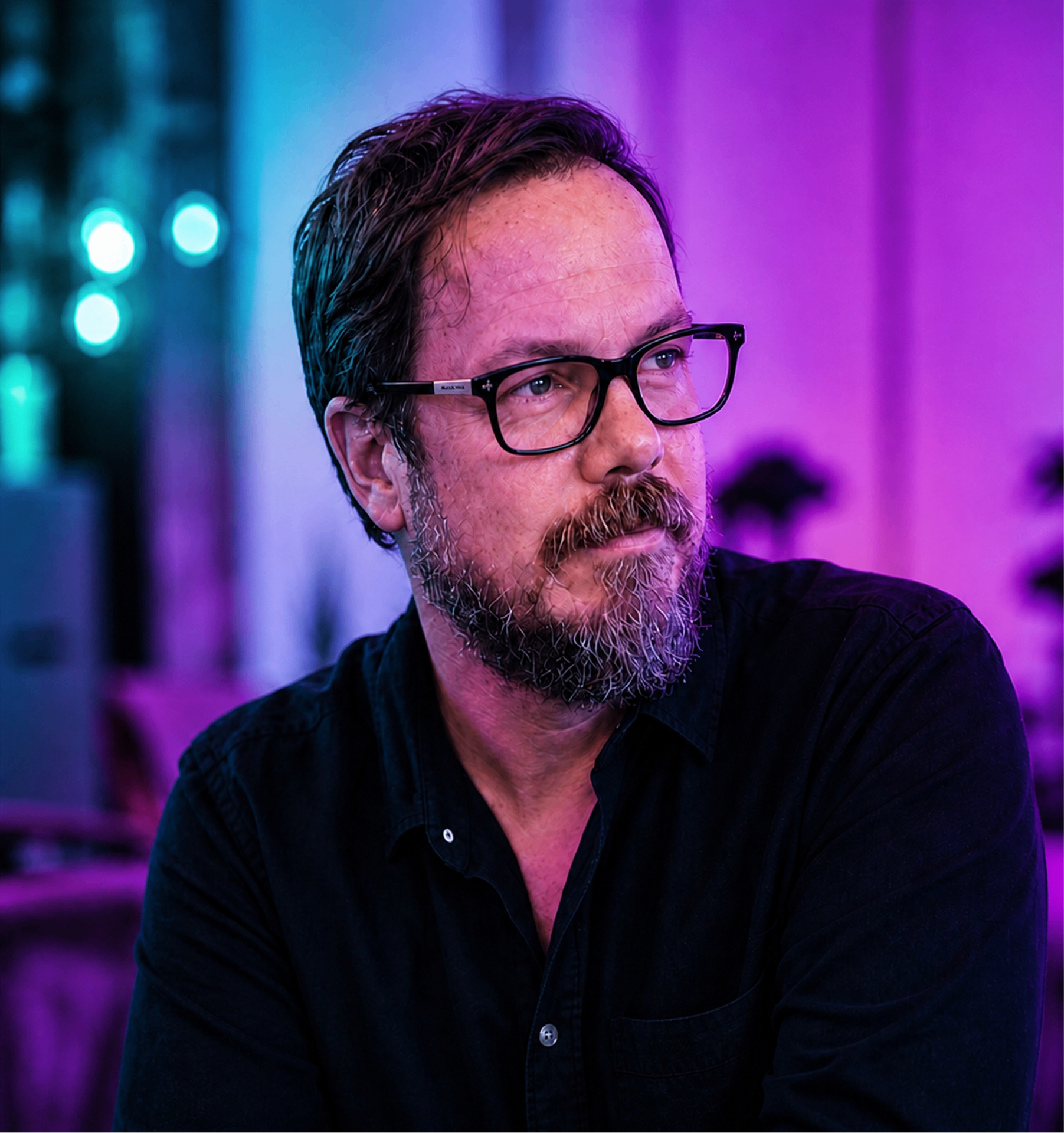 Host
Host Guest
Guest Guest
Guest