HAPPY FRIDAY,
Late July, which means Q3 is already two weeks old and somehow also feels like it just started. The summer lull is real but the AI news cycle has not gotten the memo. This week the story that keeps nagging at me is about brand visibility in ChatGPT and other AI search tools, specifically the finding that almost nobody owns their category in these results. If your clients aren't asking about this yet, they will be soon.
In This Week's AI Fridays:
- AI search has no brand leaders, and that's a bigger deal than it sounds
- Ethan Mollick's summer 2026 guide to which AI tool to use for what
- Your clients are already asking if they show up in ChatGPT. Here's how to handle it
- AI guardrails are getting in the way of legitimate security work
- Quick hits: OpenAI goes upmarket, AMD bets $5B on Anthropic, and a genuinely good argument for not using AI
ChatGPT Has No Clear Brand Leader in Most Categories
Semrush looked at how brands appear across ChatGPT categories and found that only 15% of those categories have anything resembling a consistent leader. The other 85% are up for grabs, which sounds like an opportunity until you realize it also means the ground shifts constantly and there's no reliable way to hold a position. For brands and agencies that have been optimizing for AI search visibility, this is a useful reality check.

The Highlights:
- Only 15% of ChatGPT-analyzed categories show a consistent brand leader across queries
- AI search results vary significantly by phrasing, context, and session, making "ranking" a somewhat slippery concept
- Brands that appear prominently in traditional search do not automatically carry that authority into AI-generated responses
- The research covers a wide category set, which makes the 15% figure hard to dismiss as a niche finding
The Takeaway:
If you've been telling clients that GEO is the new SEO, this data suggests the analogy is even messier than the original. No one has figured out how to own a category in AI search yet, which is either bad news or a reasonably level playing field, depending on how quickly your clients move.
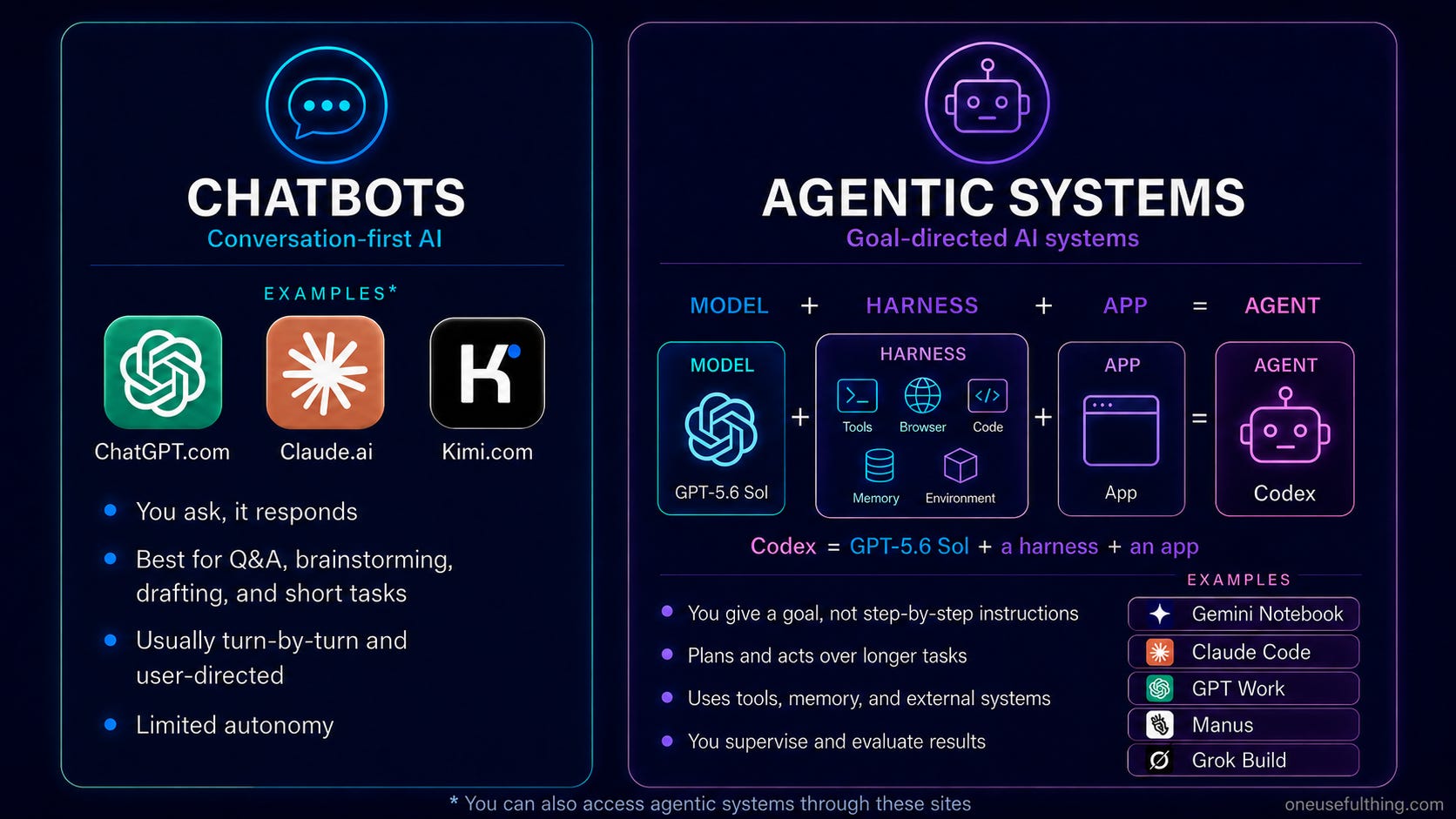
An Opinionated Guide to Which AI to Use to Do Stuff
Ethan Mollick publishes one of these seasonal guides and each time it lands well because it skips the tool-comparison theatre and just tells you what he actually uses and why. The summer 2026 edition covers the current model landscape with the same directness as the previous versions, which is what makes it worth bookmarking rather than skimming once and forgetting. If you're onboarding senior practitioners or trying to explain to a client why not all AI tools are interchangeable, this is a reasonable place to send them.
The Highlights:
- Mollick sorts tools by task type rather than by brand, which is the more useful frame for practitioners
- The guide reflects the current state of a field that has shifted considerably even in the last two quarters
- Strong tool for one task does not mean strong tool overall, a point the guide makes with specifics rather than generalizations
- The summer 2026 edition reflects the closing capability gap between frontier models, which changes some of the earlier recommendations
The Takeaway:
Most practitioners are still using one or two tools for everything, which works until it doesn't. A guide like this is useful less for the specific recommendations and more for the habit of thinking about fit rather than familiarity.
AI in Marketing
Your Client Just Asked If They Show Up in ChatGPT. Now What?
This is the agency conversation of 2026, at least in my experience. The question arrives in a meeting, usually from someone senior, and the honest answer most teams have is some version of "we're working on it." The piece is useful because it separates what's measurable today from what's still aspirational, which is the distinction that matters when you're trying to give a client something real. There's no single dashboard that solves this yet, and anyone selling one deserves some skepticism, but there are structured ways to track AI search presence that go beyond anecdote. Worth reading before the next client asks, which will probably be soon.
AI Search Is Working. How to Prove It With Real Tests.
The measurement problem in AI search is real and this piece takes it seriously. The argument isn't that AI search is definitely driving results for every brand, it's that there are structured ways to test and demonstrate the effect if you're willing to set up the methodology properly. For practitioners who are being asked to show ROI on GEO work, the expert input here on testing frameworks is more actionable than most of what's been written on this topic. The broader point, that you can design experiments for this rather than just pointing at traffic trends, is one more teams should take seriously.
What the OpenAI-Hugging Face Hack Means for Enterprises
A security incident involving OpenAI and Hugging Face has given enterprise teams a concrete reason to revisit where their data actually goes when they're working with third-party AI platforms. The lesson is not particularly surprising, keep sensitive data within controlled environments and don't assume platform-level security is sufficient, but incidents like this tend to move conversations that had previously stalled. If you've been trying to get procurement or legal engaged on AI data governance and haven't had much traction, this is the kind of story that helps. Worth flagging to any client in a regulated industry.
How AI Guardrails Are Impeding the Work of Offensive Cybersecurity Researchers
Offensive security researchers are running into a specific problem: the same guardrails designed to prevent AI misuse are blocking legitimate professional work. The researchers profiled here aren't trying to circumvent safety systems, they're doing the kind of adversarial testing that makes systems safer, and they're finding that OpenAI and Anthropic's policies don't reliably distinguish between that and genuinely harmful use. It's a tension that doesn't have an easy resolution, and the piece doesn't pretend otherwise. The broader implication for enterprises is that AI safety policy is still being written in ways that don't always account for how professionals use these tools.
Quick Hits
- U.S. AI executives are raising national security concerns about Chinese open-weight models, which is a reasonable concern and also happens to align with their business interests rather neatly. Read more
- ChatGPT can now connect to U.S. users' medical records and Apple Health data, which is either a genuinely useful health tool or the most interesting privacy conversation you'll have this quarter, possibly both. Read more
- Jack Clark's latest Import AI covers the narrowing gap between open and closed models, the Kimi K3 release, and Demis Hassabis's policy thinking, a useful weekly calibration if you follow this stuff closely. Read more
- OpenAI's new Presence product bundles enterprise AI agents with human engineers included, which tells you something about how much confidence the market has in fully autonomous deployment right now. Read more
- AMD is committing up to $5 billion to Anthropic in an infrastructure deal that covers tens of billions in AI systems, as chip makers and model developers continue their increasingly serious integration. Read more
- Bruce Schneier makes the case that sometimes the value is in doing the work yourself, not in the output it produces, which is a more useful counterpoint to uncritical AI adoption than most of what gets written on the topic. Read more
This article was obviously generated with AI but curated by a human, don't be weird about it.
Compiled by

Pete Bishop
Chief Innovation Officer, ZGM Modern Marketing Partners
Pete Bishop has spent the last two decades helping brands adopt new technology without losing the plot. He hosts Artificial Breakdown, a podcast and weekly newsletter that translates AI news into practical marketing decisions, and scans 50+ sources each week to write this issue.
Get this in your inbox
One email a week with the AI and marketing news worth your time.