Pete (00:01.374)
Okay. Hi Teresa, how you doing?
Theresa Lynn (00:03.34)
Hey, I'm good. How are you? It's a good day to be here.
Pete (00:05.244)
Nice to see you again.
Pete (00:10.652)
You and I met at upper bound, sort of.
Theresa Lynn (00:14.83)
Sort of, yeah, you were on the stage and I was that creeper in like the first couple of rows, you know, taking notes feverishly and fatting you out, I think to my LinkedIn with best speaker at the conference. And I
Pete (00:26.811)
my goodness. Yeah. Well no. I wasn't fishing for compliments, but we we we can certainly talk about that after. The I you and I kinda became virtual friends over the course of the the time after that. And then we met and you you have one of the most fascinating stories I think of getting into this world 'cause everyone's got one and I think I've I'm loving talking to people these days around how AI is such a in
interesting place right now and I think everyone came at it from a different angle and yours is no different. Do you mind just going through that story again because I I loved it.
Theresa Lynn (01:05.462)
Yeah, so I'm a bit of a weirdo. I grew up in northern Saskatchewan as a kid. And so think small town school, a couple hundred kids, right? You know, my physette teacher was my my French teacher and he didn't speak French. That's the kind of environment I grew up in. And that was at the dawn of like electronic bulletin boards and their very early days of what would become the internet. And I was about grade nine, I remember saying to my guidance counselor, like, I want to get into this tax stuff. And he was like, sorry.
Pete (01:10.567)
Ha ha.
Theresa Lynn (01:34.744)
You're you're you're cute, but you're not smart enough for that. And it just it just pissed me off to the extreme. So I mean, I wanted these people, if you tell me I can't do something, I'm just gonna go ahead first and do it. so I took a bit of a meandering path. I worked in nonprofit, I studied IT for business operations was kind of the educational foundation, but that was back in the days. None of that stuff exists anymore. And then I
Pete (01:38.831)
No, really.
Theresa Lynn (02:04.085)
I left all of that, wound up with a job as like a foreman at TELIS. So we had a fancy title for it, but it was a foreman. And found a real passion for the place where corporate tech meets community. stayed there for 17 years in a bunch of different roles, and left because I got sick and had a lot of time laying in bed sick to go, ooh, what do I want to be when I grew up?
So my 50th birthday rolled around, and my husband came home from work, and I'm like, hey, honey, I did a thing. And he knows when I say that phrase, I have spent a prolific amount of money. And so he's like, okay, honey, what'd you do? And I said, Well, I applied for this program at Oxford, and I bought a plane ticket, business class, of course, because what else would an unemployed person do? And and then I went over to Oxford and I studied leadership.
While I was sitting there, we spent a lot of time talking about our purpose. And I just kept coming back to be the hand that guides people through chaotic situations. And that became the business. And, you know, we we established some credentials behind it to make sure I wasn't just blowing smoke out my ear and
and here it is. So now I stand in that really sweet Bermuda triangle between business strategy, human resources, and AI. And it is probably the most stressful place in the business ecosystem right now because nobody understands it.
Pete (03:31.917)
Hm. Yeah. It's funny, you mentioned how someone telling you you can't do things is motivation. I had a similar experience when I was younger. I I distinctly rem it was it was formative. I was in it was the teacher in the library. I don't know if she was my teacher or someone else's, but I had picked out a book and she's like, That's too hard for you. It's too you should get something a little simpler.
And I was like, yeah and then I've read it out of spite and it was maybe the hardest book I ever read and it was way too advanced for me. I remember it was called I Am David. It was all about the underground slave trade and all that stuff and I yeah, I just remember that being such fuel and it sounds like that has been a bit of a theme. Is that true?
Theresa Lynn (04:16.338)
hundred percent. You know, I just I always
felt like I belonged in rooms that always told me I shouldn't be there. Whether it was, you know, I'm gonna go and I'm gonna bend that politician's ear because damn it, they need to hear what I have to say. And you know, I mean they didn't. I probably didn't know what I was talking about. But it was one of those sometimes you just gotta have the courage to do it, even if you don't have the brains that tell you don't try. And and you you see it now with all the tributes to Dolly Parton and everything else. And it's like just just do something. Take a step, right? Believe in
yourself and all that jazz and you know call me naive or young and foolish back then but I didn't know any better so I just did it.
Pete (04:57.599)
I find too that technology especially it seems so daunting as a term, but there's so many different levels to it and it it is just a culture of experimentation. As soon as you get in and you start tinkering around, a lot of that mystery goes away and that that fear and anxiety.
Theresa Lynn (05:14.838)
Yeah, completely. I remember telling my young staff that would come into the organization they didn't know anything and you push them out of the nest and tell them like go to a customer's house and try and fix their stuff. And they'd be like, I don't know what I'm doing. And they're like, Neither does the customer. Like, they don't know what you don't know, so go and give it your best shot. Nobody's gonna die if you get it wrong. You're gonna have to step outside and phone for help. Like, it's okay. And I think technology does that for all of us, right? Nobody's gonna die for most of what we're doing. We're not heart surging.
Pete (05:34.206)
Ha ha ha.
Theresa Lynn (05:44.852)
I really want them to be proficient. But for the you and I's of the world, we're gonna experiment with something. If we don't like the output, we're gonna go back and try again.
Pete (05:53.757)
Yeah. Yeah. No, it's that feels like survival these days is just that ability to fail at a fairly quick level or not be afraid of failing in so many ways. And so you started Clarity at Work, coming out of that course. Tell me a little bit about that first few months. Like how was that? Was that super nerve wracking? Were clients flooding in? Like how did that feel? 'Cause that would be very different, I imagine.
Theresa Lynn (06:19.39)
Yeah. I didn't know anything about running my own business. I had been a realtor about I don't know, 30 years ago, 25 years ago. And that's as close as I ever got to running my own business. When you come from senior level in a big monstrous corporation, you have all the sports in the world, right? You have people that can get you answers to whatever you're thinking, and I had to learn how to do that on my own.
get the answers part, but figure out how to put all the puzzle pieces together. and out of that I defined the clarity at work methodology, which really boils down to what the hell is the problem you're trying to solve. And you know, it's just cutting all that noise out of there. I spent a lot of wasted cycle in those first couple of weeks of, you know, first couple of months probably of do something.
get the output, realize it wasn't what I wanted, go back, start over. and so I built this methodology around some of the best in class, like the PMI CPM AI, which is around managing AI implementations and some of the the HR
baselines and and product structure frameworks for change management in the workplace and I started applying them to my own business going hey I gotta get really clear about what do I do why do I do it where's the benefit yada yada yada and then about two months later I said okay I'm ready for my clients right like I've I've done the let's figure out if anybody wants to pay me for this knowledge and behold I had this really weird thing happen that every business wishes would happen. Every client I talked to signed
contract
Theresa Lynn (07:58.154)
And and then it got to the point where I don't want to talk to more clients because I gotta make sure I can deliver on what I'm promising. And so we got some proof cases that came out of that that I'm formalizing into some case studies for other young small entrepreneurs out there who are just trying to figure this out. And yeah, so I'm less than a year in. I am currently a finalist for New Business of the Year. I am a finalist for regional innovation for the Alberta Science and Tech Awards. I was on to
Something something right, and I just the market was waiting for it. So yeah, once again, probably a little more courage than brains.
Pete (08:36.41)
Wow, I that's fantastic. And you think of it, how long ago was it since you were kind of flat on your back, sick? Like that's a that's a great story from then wow. What a what a change.
Theresa Lynn (08:44.92)
Less than a year Yeah. Yeah. I'm I'm about one year, so it'd be one year in July, from being unable to really shower by myself or do a flight of stairs by myself to you know, really just kind of changing my entire path.
Pete (09:06.117)
And do you remember the moment when you were just when you were lying there, w do you remember the first little spark or the first little article or anything that was like, that's really interesting.
Theresa Lynn (09:18.77)
I remember having a moment and you know, I I probably shed way too many ugly tears at that time, because I really was grieving the loss of what I thought was gonna be a career forever.
And you know, in an environment that I thought was amazing and I would listen to podcasts or you know, whatever while you're laying there and read some books. And there is a book by Sheila somebody and it's called Brave Little Steps or something to that degree. And I had got it at a workshop somewhere along the way, and it was laying on my side table and I started flipping through this book and it was like, take a step, right? Like, what are you scared of? Take a step, put a name on it, take a step, and I went.
Dammit, I know my stuff. Like I'm good at this. And I'm good, I understand technology because I grew up with it, much like you did, right? We're the generation that was the one that was developing the technology. And you know, when you tell people like I'm older than the internet, I'm older than a podcast, and I understand how the people side of those integrate, because they are not two separate pillars, right? You're it doesn't matter how good your technology is if people aren't going to use it.
Pete (10:13.05)
Uh-huh.
Theresa Lynn (10:29.81)
So, you know, with that understanding of of the human nature and the HR side of things, it just seemed like a really amazing place for a business to be.
Pete (10:30.213)
Uh-huh.
Pete (10:39.373)
Yeah, I think I well, you probably heard me rant about about this, but I believe that a lot of people don't understand the the connection between business and people to this technology where yeah, if you're just a some guy on social saying, Hey, you should be able to connect everything and this is how easy it is without understanding the the messiness of of change management or just business operations and like a company that's been around for a couple of decades and has politics and
weird folder structures and red tape and and twenty different departments that all have to check in and out. You can't just suddenly walk in and automate everything and turn everyone on to AI. And so your your background must play a huge role in that kind of realism that I think is missing in a lot of these conversations.
Theresa Lynn (11:26.254)
Well, and sometimes it's just the ability to call it out, right? So if you think the Society for Human Resource Management out of the states just brought out their state of AI in HR for 2026, it's brand new, not off the shelf. And so here's a couple of the things they talked about. In roughly half of the organizations, HR has no involvement in the AI strategy at all, which to me is just gobsmacking.
and then 51% of organizations have no formal AI policy, which also just makes my head explode. And so when you put that kind of all together, it's the function of every cultural piece of chaos that happens because of AI adoption lands squarely at the feet of HR who were never invited to the room. You are asking for a disaster. Like you like culturally, you couldn't build a better recipe for chaos if you tried.
Pete (12:16.16)
Right. Yeah.
Ha ha.
Pete (12:25.018)
Yeah, that you know, that's really funny. And I've seen a lot of companies too where the entire thing's being run by IT, which, you know, I have a problem with just because the motivations for IT is usually very different from, you know, the rest of the company. and and like you know, there's so many businesses that are now putting their hands up saying they're failing with this. after because we've we've got a couple of years under our belt now, we can start to see the the fallout where, hey, everyone was doing it.
But now there's companies that are starting to I think to claw back and realize, no, all we've done is spend way more money and probably give everyone extended lunch hours, but we are not seeing any benefits or any efficiencies that we were promised. and I imagine a lot of that has to do with how it was brought in and how the change management was handled.
Theresa Lynn (13:14.368)
Yeah, I would say it's a hundred percent that. Like when technology implementations fail, it it is almost never the technology that is failing.
Like almost never. It's a leadership problem, it's a change management problem, it's a communication problem, it's conflicting priorities between IT and operations. It's, you know, what looks good in this room is complete and total bullshit for this team over here. And the fact that they're not sitting with the right people going, Hey, do you realize if you move that piece over here, this whole thing falls over? Is something that you need somebody who can explain the
feelings to IT and the ones and zeros to HR and and kind of like start translating that back and forth. And then when you look at it in the context of small and mid biz, because that's that's my my sweet spot, small and medium organizations, roughly what, 95% of our businesses in Alberta, Saskatchewan across Canada. So I think it's about 63% of the workforce.
And so in Alberta, if my math is right, that's about 12.5% of all of it lands in Alberta. And then you sit there and you go, 40% of those businesses are saying artificial intelligence isn't relevant to them. That's a problem. and then when you look at that one more step out of that circle and you go, it's about 10% of rural businesses are
Pete (14:37.447)
Mm.
Theresa Lynn (14:47.482)
using AI compared to 20% of urban. So what you have is this ecosystem of 80% of AI implementations are not successful. They don't materialize the benefits they said they were going to. 95% are small businesses. Roughly 10% are rural. The biggest burden of AI failure is falling on the organizations who are least equipped to handle them.
Pete (15:16.604)
Yeah, I see what you're saying there. That's not overly surprising when I think about good old Alberta sometimes. I I imagine there's also ten percent of rural businesses who are believing in the the earth is flat in some cases. But yeah, no, I I get that. So when you are when you're engaging, what do you what's the biggest pushback you find when you're when you're starting to kind of get people into AI? I'm assuming you walk into some companies that are
Theresa Lynn (15:30.104)
Ha ha ha.
Pete (15:45.785)
Starting from zero. Is that ever the case? Yeah.
Theresa Lynn (15:48.354)
Yeah, so I get a few that are phoning me from a, let's have a conversation about what it is. What does this mean for our organization? And that actually is a really great place to start because I sit there and I go, let's not talk about technology. Tell me about your organization. And you know, tell me tell me what perfect looks like 24 months from now.
Like what is it? Do you wanna do you want you meet your customers' needs faster? Do you want to reduce your OpEx costs? Do you want to find a way to weather the tariffs a little better? whatever the case may be. And then once you know what that big shiny ball is that they're marching towards, you sit there and you go, Okay, well, tell me your current state. well, this and this and this and this, and our culture kind of sucks and our systems are old. And I'm going, cool, because that spot in the middle, that's where we talk AI. Like
People have this pie in the sky dream that when you say AI, they think you need to be like MIT and redesigning cancer research. Absolutely, go for it, do that. but in the average business, that's not the case. What we're doing is just taking out the operational inefficiencies and freeing up the time to do the things that require the human brain power. Like it's it's that simple. And then somebody in the room.
Pete (16:58.607)
Mm-hmm.
Theresa Lynn (17:02.68)
The somebody in the room is absolutely gonna say, but AI is going to kill the environment. And I sit there and I go, like, help me understand your perspective. Why do you say that?
Pete (17:09.093)
Right.
Theresa Lynn (17:13.772)
Well, the water and the power grid impacts. And then I start kind of level setting them. Okay, on how this came out in the States is a little different than how it rolls out in Canada. So our restrictions are different, our policies are different, our laws are different. We have things like, you know, the environmental review board and the A what is it, AEA that approves the power consumptions and those things. Those are very different than what's going on in Tennessee. And then we level set again what's the
cost of not doing it. So if you have the the opportunity of doing AI and gaining those efficiencies in the workplace and and ballpark in a small business that's you know if we could just lift our small businesses productivity up by about that 14% that AI will give them, that's $350 billion to Canada's GDP. So if that's the number
That's the number of that's the cost of not doing it.
And they're not, it's not like they're not going to build AI data centers. They're going to. It's just, do we want them in Alberta where they have to build their own power plants and be, you know, environmentally sensitive to the water, using our cold weather as part of that cooling system? Because that's one of the Alberta advantages, is we get super cold winters, right? Or do you want them doing it down in Tennessee on the edge of somebody's neighborhood burning coal? Well, to me, the world doesn't stop at the Canada-US border, so I want the whole world.
world to do it a little better.
Pete (18:46.542)
Huh. I that's such a great perspective on it. And like I was saying earlier, Teresa have been struggling a little bit with that answer 'cause I I you know, I I understand why people bring it up and why it's a a worry. At the same time, like I usu use the bus metaphor, I feel like you can stand by and let the bus go by, but it doesn't feel like it's a great it's gonna be good for your business to ignore this completely. It's still different to me than when computers came out and there were companies that didn't
that just choose chose not to bring it in. Same with the internet. And and this feels like on the same level. And you know, just the difference is is you know we are we are seeing we get we get all the information all the time and so everyone's involved in every every decision. Whereas in the past we were probably in the dark on a lot of this stuff. So I no I that's really that's really interesting. So if you're a brand new business who are or not a
brand new business, but a business who doesn't do any of this. like you said, starting with a little bit of why. I've noticed that sometimes the why is, hey, we want to bring in AI, which doesn't seem like a good enough answer. But I imagine you probably get a little bit of that. And I think, you know, from our research we found that a lot of it was driven from ownership or C suite just saying we want to improve our margins. And this is we just we hear that hey, if we can bring in AI, we can
Theresa Lynn (19:55.405)
Mm-hmm.
Pete (20:13.279)
increase efficiency and lay off people and maybe get s you know, increase our EBITDA. That feels a little bit like a lot of the motivation out there, but to me it's a little bit of short sighted.
Theresa Lynn (20:25.346)
You're right. And and it's the it is that methodology, that mindset of the C-suite, who in theory thinks that we're going to do this, we're going to gain all these efficiencies. We can cut our labor costs and reduce our opex and everything else. And the way that actually materializes is not that. Their opex rarely goes down. They hemorrhage a ton of money into technology that doesn't pay off. And then your C-suite sitting in the hot water trying to face their shareholders, going, what the hell?
When the better way to do it is sit there and go like you would with any other major investment or strategic move and go, What's the game that we're trying to play? Because if you start that and say like, I'm just I'm I don't know, I'm gonna buy a
Word processing sweep because everybody's telling me I need one. Well, that's pretty stupid. And AI is kind of the same way. Like, I had an instructor at MIT when we were doing a course, and he said the fear of missing out is so huge right now in the AI space because of all of the hype that's out there. And so you have these people and they're like running towards the train because
Pete (21:16.822)
Ha
Theresa Lynn (21:33.248)
They don't want to miss out, but they don't know where the hell the train is going or why they're getting on it, but they're just running for the train. And I'm like, that is so true. That is so true. So yes, there's there's a place for AI in most businesses, but figure out why, like, figure out why you want it, what's the problem you're gonna fix with it, instead of I'm just gonna put some AI on that and hope for the best.
Pete (21:57.011)
I think there's so much of that and same with especially startups who are looking for investment are just, you know, sprinkling in AI just so that they can say they've got AI because I do think investors are also similarly looking for AI investments without really understanding the the technology or what's whether it's an actual viable product. It reminds me I you would well, you may or may not remember this, but I remember the kind of the dot com crash.
I don't want to date you along with me. That's like But I remember that where it's like investors were investing in anything to do with the internet. and then, you know, the the bottom fill out when they realized that, hey, when these companies liquidate, there's nothing to liquidate. There's no assets. There was just a website that, you know. So I feel like there was a bit of a push there. And I wonder how do you I I'm going off topic here, but I you know, just seeing all the money that's going into this and all the the
Theresa Lynn (22:24.333)
I'm there.
Pete (22:51.027)
power drain on the world and stuff. There just feels like there has to be an inevitable leveling out at some point. We cannot continue on this path that is basically going straight up.
Theresa Lynn (23:01.44)
big time. And if somebody asked me, hey, if you had a thousand dollars, where are you gonna hedge that bet right now? I'm gonna hedge the bet on the organization that has the people side. Because I think what like the dot-com bubble that we saw in the 90s with that whole Silicon Valley thing. And I mean, I was there. I wanted nothing better than to work at one of those dot coms. And you've seen that just all hype and then go pfft. But what stood up.
Pete (23:25.715)
Mm.
Theresa Lynn (23:27.554)
Like even after all that, guess who was still employed? The outplacement consultants who were helping those people get their severance packages and the people that were dealing with the people side of those businesses, right? And so when I look at organizations now that are doing it right, I think they're they're Clilo Cl Clio, Clilo, C L I O.
Pete (23:39.058)
huh.
Theresa Lynn (23:49.228)
They're a Canadian company that is doing like AI to help lawyers. And there's another one out there that's phenomenal, just making headlines everywhere right now, using AI that supports accountants. So where you use AI to support the people function that requires the judgment, you're gonna get the payoff. If it's just AI for the sake of making some more AI slot for the internet, they're the ones that are probably gonna go by the wayside.
Pete (24:16.846)
Yeah, fair enough. Okay, so let's go quickly back to adoption. So I've I'm decided I want to bring in AI for the maybe hopefully the right reasons. How does it work from your perspective from just a an ongoing culture of learning? 'Cause I think a lot of the times we see, you know, a company will come in and parachute in and do a workshop and then they're gone. And and in some cases it's like, okay, we did it. We learnt AI. how do you
How do you keep that churn going? 'Cause it feels like a never ending process. but I then, you know, how do you continue to try and chain your whole staff in these big goes? Do you how do you how do you get this the ball rolling, I guess is what I'm asking.
Theresa Lynn (25:02.678)
Yeah, so I kind of call it the clarity bowling alley. So on one side we have the gutter, all the things we will never do, right? Thou shall not put medical data in there, HR data in there, right? Thou shall not copy and paste your client list with identifying everything that is covered by our privacy legislation should never go in there. and everything that's covered by the EU legislation should also never go in there because like that's gonna be the norm anyways. We might as well be in front.
Pete (25:19.694)
Yeah.
Theresa Lynn (25:32.544)
front of it. And on the other hand, I'd be really clear about telling people what's allowed, right? Here's where I want you to innovate. Here's the problem we've agreed that we're going to solve. We want to reduce shipping times by 13%. We want to reduce our product costs by 14%. Those and then now you've created that the pins are the what we're going to try and knock down, right? We're going to get those efficiencies. This lane is we're never going to do it. This lane is where we're allowed to do it. Go forward and play.
And the reason why I say it that way is because if you're chasing to train your team on a tool, you will never hit the finish line. You are just going to keep running like Forrest Gump all the way across America because those tools shift every day. So we better just be teaching them judgment and boundaries and ethics and have one throat to choke, right? Instead of I, you know, here's how I'm going to teach you how to use Copilot.
Pete (26:22.776)
Ha ha ha.
Theresa Lynn (26:27.566)
Well, if you want to use Copilot, go on YouTube and find out how to use Copilot. Ask ask Copilot how to use Copilot. You know, and so if we sit there and we recreate it like almost in the mindset of, I'm gonna give you a company a credit card, do I tell you everything you can and cannot buy on it? No, I give you the guidelines and then I say go forward and use it. And then I approve it as your leader, your direct leader, not some fictitious CEO or director of finance way out there and la la land.
Do with AI, right? Tell them what the rules are, tell them to innovate, tell them the tools you've endorsed, then let them do it, and then have that single point of authority above them, just like you would in finance. And then from there, have a clear path of escalation.
Pete (27:05.174)
Mm.
Theresa Lynn (27:15.042)
Right. So when when I am the supervisor and something lands on my desk and I go, I don't freaking know what to do with that. That's where I'm gonna phone, you know, Johnny over in legal and say, Hey, is that does this smell wrong? Because it feels a little wrong to me. You know, like that's how you govern AI. That's how you do it inside an organization, instead of saying, you know, here's your 500 page manual that nobody's gonna read anyway.
Pete (27:27.138)
Yeah.
Theresa Lynn (27:43.67)
And it's gonna be obsolete in three months. Mm-hmm.
Pete (27:44.161)
Yeah. Yeah. Yeah. I've I've seen that many times, just a governance document sitting in a folder somewhere that everyone maybe reads the first time and then that's the end of it.
Theresa Lynn (27:56.204)
And nobody, nobody will follow it. That's like that's the thing is you're gonna make a policy, you're gonna roll it out. I see this in municipalities all the time, not to take a shot at my mutis, but you know, it comes through council, takes forever to get through council, comes through council, they approve this AI policy, sits in a binder or e-doc somewhere.
Pete (28:06.359)
Mm-hmm.
Theresa Lynn (28:15.98)
But then you have the creep, right? You have the admin that's maybe using it to write a better letter. You have the so-and-so that's using it to find some grants. None of that fits in the AI policy because your policy was, we're going to use this tool for these things. Doesn't work.
Pete (28:36.448)
Yeah. It's funny how soft skills have become such a big piece of this new world where it's like good clear communication or critical thinking and all these things are coming to the foreground again where, you know, I hadn't heard them really being discussed at that level for such a long time and now they're a big deal.
Theresa Lynn (28:57.344)
100% big deal. They they would right now if I was still hiring. And I mean, I've hired hundreds of people over my career. If I was hiring right now, I wouldn't give a damn about the technical skills. Like, I mean, there's a proficiency baseline, you expect. Like you need to be able to know where the power button is on your computer. But I would be hiring, can you think? Can you communicate? Can you handle conflict? Do you have a good internal compass that says good, bad?
You know, like it's not as simple as it used to be. And our leaders need to wrap their brains around this because it will fundamentally change not their job in the sense of, you know, I'm I'm a director of finance. It will change their job in the sense of this is how I do my job because the how as we know it today isn't gonna exist.
Pete (29:51.22)
Yeah, I really think that these things are changing at such a quick rate, but trying to keep an eye on, you know, where what am I gonna be doing differently this time next year, that's kinda one of the challenges we put to the team a little bit. And really starting to challenge processes that have always been there and not not questioned ever because for the longest time there's nothing we could have done about them anyways. But now I really believe that, you know, anything is possible in some degree that you can fix these things.
That you've lived with forever and suffered through them forever. So it's almost a a waking up or or trying to think big enough around what's possible these days. And I like again, being an an old dog, I have a hard time sometimes, I think, turning off my, you know, my been there done that brain, right?
Theresa Lynn (30:43.404)
Yeah. Yeah, I'm I'm chuckling because it's like, yeah, you know, how many times did I sit through a presentation that would come across and they're like, we need to dispatch this way. And I'd be like, well, we've tried that four times. And now you would sit there and you go, Do we need to dispatch at all? Right? Like that that's the shift that, you know, the fourth industrial revolution is a technology revolution. And it's like something we have never seen before.
Pete (31:01.628)
Right.
Theresa Lynn (31:11.95)
I don't know if you caught the article yesterday about they are curing type one diabetes, like curing it with some AI-powered cell transplant science that I don't understand.
But before the power of being able to use AI to do all that research and extrapolate that data in a way that you could overlay it together, they never would have got there. These are type one diabetics. Like these are these are the hardcore diabetics. And I was reading the article, and there's a dozen of them standing there. There were 12 in the study, 10 went off the insulin immediately, and the other two just came off this week. Like, think of what that'll do for society.
Pete (31:54.896)
That's the type of AI news I think everyone's been waiting for. 'Cause that was kind of what was promised at the beginning. It's like, we're gonna we're gonna make all these medical breakthroughs, not, you know, be able to deliver a billion blogs and the speed of light, right? So I think this is that's fantastic. No, I didn't see that article. That's fantastic.
Theresa Lynn (32:10.882)
Yeah. I'll find it so you can link it in the in the show notes. It's it's those kind of stories I think the public also needs to hear. There's an obligation on the AI experts and the AI enthusiasts to do more than just chat GPTU, right? There's there's an obligation on us to give real world use cases that matter. The, you know, if we're worried about the environment, where can the technology help the environment?
where we're worried about health and well-being, how can we use the technology to improve the quality of life for our children and our seniors and our elders in the indigenous communities? Like there's a lot of good that can come out of it, but we gotta get, we gotta swim through all this, you know, sargasm and weeds that's swamping our beautiful beaches to to get to the goodness. And right now it's just AI slop and overwhelming headlines.
Pete (33:06.287)
Mm-hmm. Mm-hmm. Yeah. Well, it's so easy to be swayed one way or another just when the your algorithms just push, push, push, push. But no, this is this is great. What so I don't want to take up too much time, Teresa, but what's what's next for Clarity at Work? So you've you've said you've kind of been at this for about a year, is that right? And now you're are you are you gonna grow? Are you happy where you're at? Like what's what are you what are you up to?
Theresa Lynn (33:32.109)
Grow.
things I loved the most about my last job was actually having staff. I know some people it drives them crazy. For me, that was my happy place was seeing what they could do and what they could accomplish. And yes, even the days when we were working through some of those challenging problems. So I missed that. So my goal is to grow this. We have a pretty unique market position, not just locally, which is really neat being here in Central Alberta, but a network that's global and I've had the odd
phone call about doing some project work elsewhere. So I would like to see us grow and I would like to see Clarity do some international work as well. There's a lot of opportunity. And at the end of the day, if I can contribute to other people doing a really cool thing in life, that whole lift while you climb mantra that my mentor used to say to me, means really loud and proud to me. So that if there's another young kid sitting there in grade nine that has a really ignorant
leader in their school that says, Hey, you're not smart enough to do that. I'd like to grab that young person by the hand and say, sure you can. How do I help?
Pete (34:41.629)
Mm, that's awesome. Yeah, I agree. And, you know, I think it's so easy to be shaped by some of these really casual conversations. I've seen it with my own kids and and others where, you know, it just takes one little comment, good or bad, to stick with you. And then hearing with, you know, some of these big celebrities, I remember this interview with Harrison Ford, how he still remembers the one critic who told him he would never amount to anything and he knows every word that that person said.
And he's like, how successful and this is how many years ago? And he still recalls that one comment, right? So they they really are you can do a lot of damage or a lot of good, I think with those types of things and and again I feel like a lot of this stuff's really empowering. So I'm really happy that you're doing that. I'm really happy I've met you. this has been a real treat. I I think think like we could talk forever, but
Theresa Lynn (35:37.091)
Yeah.
I also, because I talked so much about that really negative influence in my school years, I want to give a shout out to a teacher named Lauren Naday. I changed schools in grade 12 to go to a different school so I could just kind of get through it faster and get what I needed. And he was the science and maths teacher. So I took all the things, right? Took all the nerdy things. And he reached out to me on Facebook probably about 15 years ago and you know, acknowledged just
what I was like in his class and I got to thank him there for believing in me and sprinkling that little science seed in me. And when I got announced for that science and tech awards from Innovate Alberta last week, I reached out to him and said, this one's for you. So there are some good news stories out there too. I just don't tell those ones as often.
Pete (36:29.308)
There's not a nice way to tie the knot on that one though, hey? Like what a what a great what a great way to do that. And yeah, I agree. There's been people I I think in my life again, it doesn't they probably wouldn't even remember doing what they did, but you know, I I was waitering with a fellow who got me into my first interview as an illustrator. And I was like, I don't know, like if that hadn't happened, is that a butterfly effect? I'm like, I don't know, maybe I'd still be waiting or
Theresa Lynn (36:33.41)
Yeah. Yeah.
Pete (36:58.291)
bartending maybe at this point. I don't know.
Theresa Lynn (37:00.37)
We might be bartending at the same restaurant because that's what I did for a number of years too. Yeah, it builds people skills. Yeah.
Pete (37:03.039)
Yeah.
really? Hey? Isn't that funny? Yeah, exactly. Exactly. Who's to say that would be worse or or better actually? Well Teresa, this has been like I said, a real treat. I I appreciate you the time you spent chatting and hopefully we can do this again sometime.
Theresa Lynn (37:14.775)
Okay.
Theresa Lynn (37:22.102)
I'd love to do it again. I also caught part of your interview where there was something about mimosas and brunch. So I'm just saying next time you're coordinating mimosa brunch, like give me a call.
Pete (37:35.204)
Yeah, you are high on the list for sure. That sounds amazing right now. Okay. Well see you soon.
Theresa Lynn (37:37.886)
Awesome. That does K, see you thank you.
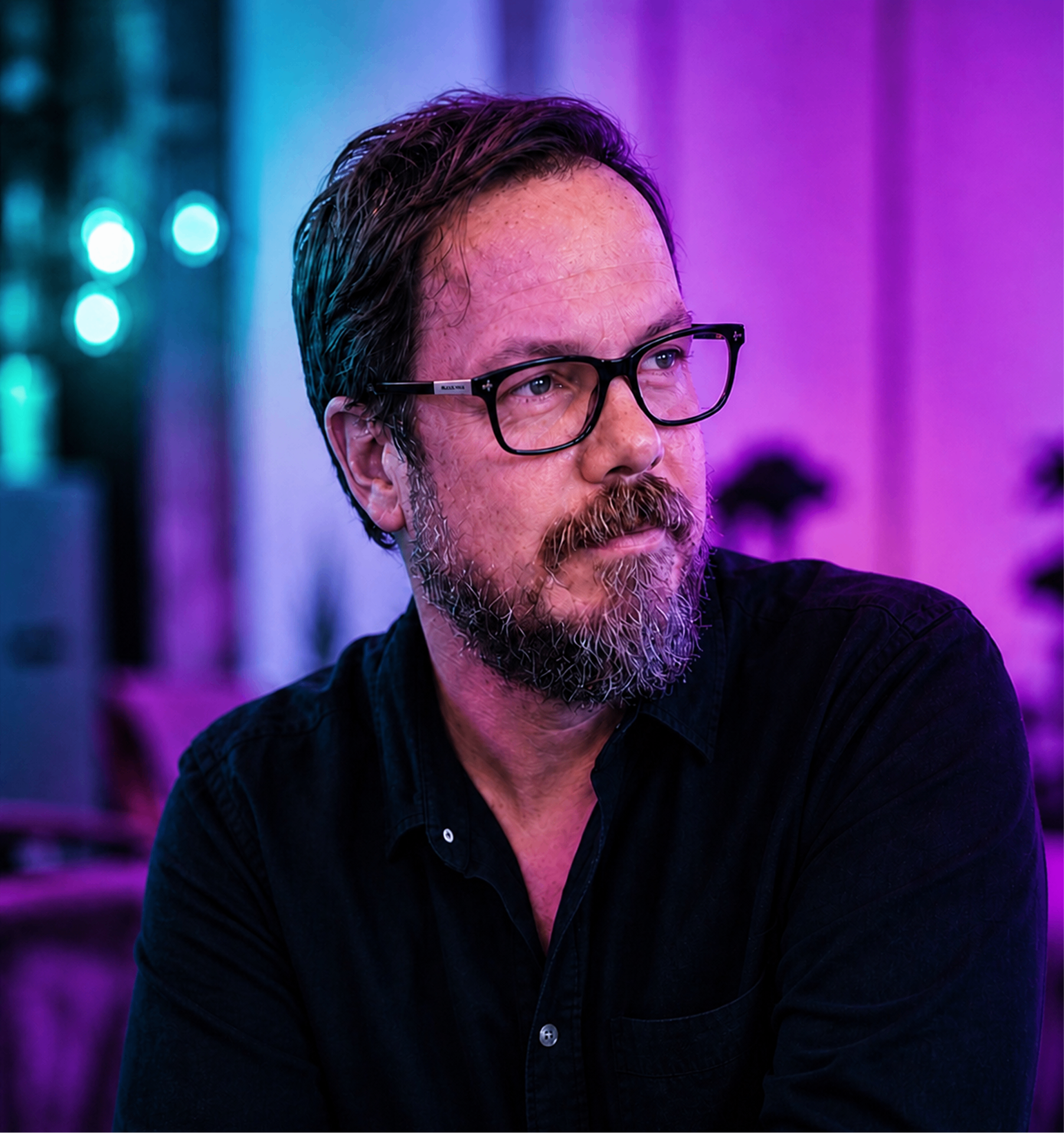 Host
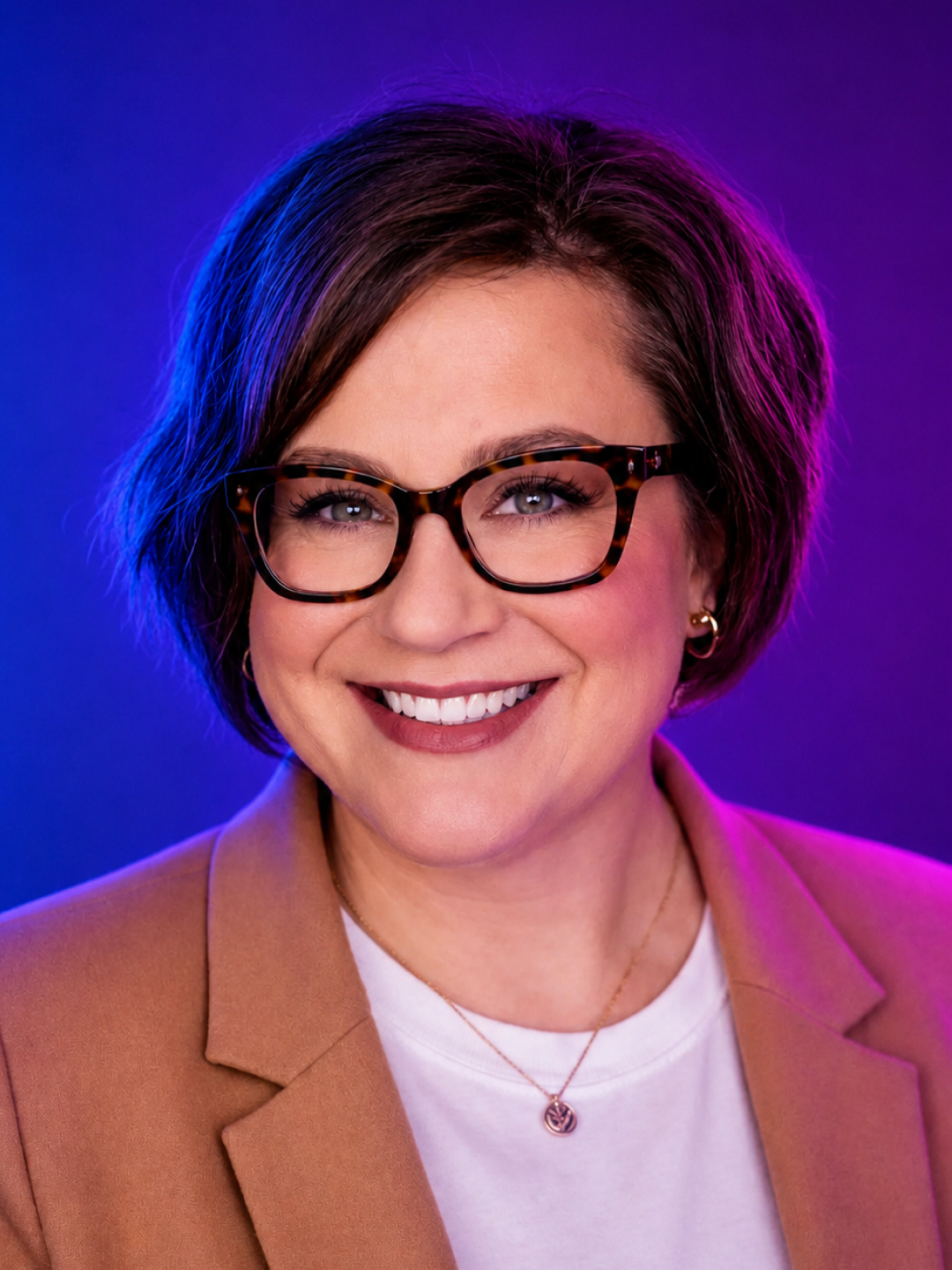 Guest